Why Massage Therapists Should Practice Stretching, Yoga, Tai Chi, or Qi Gong Themselves
- Article written by IMA Founder Jeppe Tengbjerg
As a massage therapist, you work with other people’s bodies every day. You release tension, restore movement, and help clients reduce pain and improve well-being.
But what about your own body?
Massage therapy is physically demanding work. Over time, many therapists experience strain in their thumbs, wrists, hands, shoulders, lower back, and knees. That is why it is essential for massage professionals not only to treat others — but also to actively maintain their own bodies.
Regular stretching, yoga, tai chi, qi gong, or other mindful movement practices may be one of the best investments you can make in a long and healthy career.
1. Preventing Occupational Injuries
Massage involves repetitive movements and sustained postures. Overuse injuries often develop gradually and silently.
Benefits of regular movement practice include:
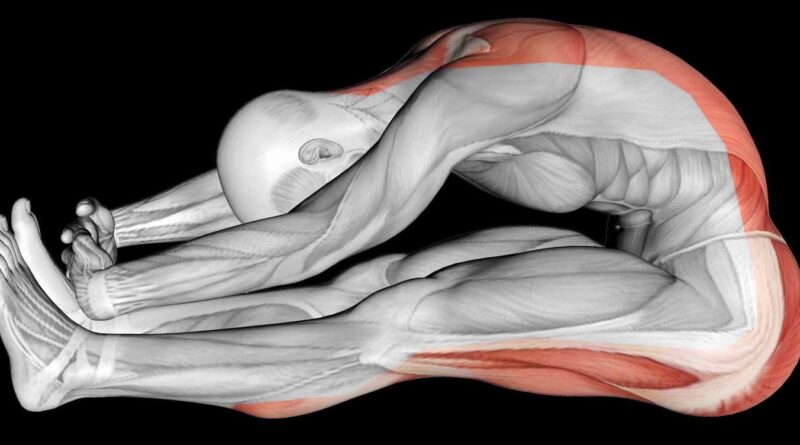
- Increased mobility in shoulders, spine, and hips
- Stronger stabilizing muscles
- Improved posture and working alignment
- Reduced tension in forearms and neck
Gentle movement systems such as tai chi and qi gong emphasize slow, controlled motions that nourish the joints and build resilience without overloading the body.
2. Greater Body Awareness During Treatments
Yoga and qi gong enhance proprioception and body awareness. When you become more conscious of:
- how you stand
- how you shift your weight
- how you use your breath
… your treatments become both more effective and less physically taxing.
A therapist who works with body weight instead of muscular force will have greater longevity in the profession.
3. Mental Calm and Focus
Massage therapy is not only physically demanding — it requires emotional presence and sustained concentration throughout the day.
Tai chi and qi gong are well known for their ability to:
- reduce stress
- regulate breathing
- improve focus
- enhance emotional balance
A calm therapist creates a calm environment. Clients can feel the difference.
4. Energy Management — Not Just Energy Expenditure
Many therapists feel drained after a full day of treatments. Mindful movement practices can help:
- restore energy
- regulate the nervous system
- balance activity and recovery
Qi gong in particular emphasizes working with internal energy and flow. Many practitioners experience it as a way to recharge between sessions rather than simply pushing through fatigue.
How to Integrate It into Your Daily Routine
It does not have to be time-consuming. Small, consistent habits can make a significant difference.
1. A 5-Minute Morning Routine
Before your first client:
- Gentle shoulder rolls
- Soft spinal rotations
- Hip circles
- Deep diaphragmatic breathing
This prepares the body and prevents early stiffness.
2. Micro-Breaks Between Clients (2–3 Minutes)
- Stretch forearms and wrists
- Lengthen the lower back
- Practice slow weight shifts inspired by tai chi
- Take one minute of mindful breathing
These short resets can dramatically reduce accumulated tension.
3. 20 Minutes in the Evening
Choose one practice:
- A short yoga sequence for spine and hips
- A tai chi form
- A qi gong routine
- Dynamic mobility exercises
Consistency matters more than duration.
4. Create a Culture of Self-Care in the Clinic
If you work with other therapists:
- Begin the day with 10 minutes of shared movement
- Invite a yoga or tai chi instructor for a workshop
- Make self-care part of professional standards
A team that moves together builds both resilience and unity.
5. Let It Strengthen Your Professional Identity
When you personally practice mindful movement:
- You embody what you recommend
- You better understand corrective exercises
- You increase your professional credibility
Clients recognize authenticity. They trust therapists who live what they teach.
An Investment in Career Longevity
Massage therapy is both a craft and a physical art form.
If you want a long, sustainable, and healthy career, personal movement practice is not a luxury — it is maintenance.
Giving treatments requires strength.
Staying in the profession requires balance.
Perhaps it is time for massage therapists to view their own movement practice as an essential part of their professional responsibility — not an optional extra.
Did you like the article? Or did you like taking part of the World Championship in Massage or one of our classes, then please feel free to give us a nice review on Google.