Massage and Stress
What massage can do – and what it cannot!
- Article By IMA Founder Jeppe Tengbjerg
Stress has become one of the most widespread challenges of modern life. Across cultures and professions, people experience constant pressure, high expectations and limited time for recovery.
As a result, stress is no longer just a mental issue — it is something we clearly see and feel in the body.
Massage therapy is often mentioned as a way to manage stress. But what can massage realistically help with, and where are its limits?
Stress seen through the body
When a person is under stress, the body responds in very concrete ways:
- Muscles tighten, especially in the neck, shoulders, back and jaw
- Breathing becomes shallow
- The nervous system remains in a constant state of alert
- Recovery and regeneration are reduced
If this state continues over time, it may lead to:
- Chronic muscle tension
- Headaches
- Sleep disturbances
- Fatigue and reduced resilience
Stress is not just “in the mind” — it is stored and expressed in the body.
What can massage do for stress?
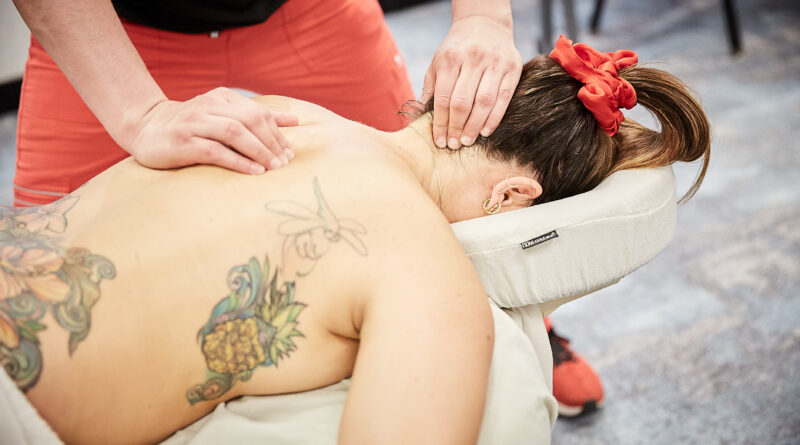
Professional massage therapy supports the body on multiple levels:
1. Calming the nervous system
Massage activates the parasympathetic nervous system — the part responsible for rest, recovery and regulation. Many clients experience a sense of calm already during the treatment.
2. Reducing physical tension
Stress and muscle tension are closely linked. When the body releases tension, the overall stress response often decreases as well.
3. Creating a pause
For many people, massage is one of the few moments in the week where there are no demands, screens or performance expectations. This pause alone has significant value.
After massage, clients often report:
- A calmer body
- Improved sleep
- Reduced inner restlessness
- A feeling of “being able to breathe again”
What massage cannot do
It is essential to be honest and realistic.
Massage:
- Does not remove the root cause of stress
- Does not resolve workload, conflicts or life crises
- Does not replace psychological or medical treatment in cases of severe or clinical stress
Massage is not a cure for stress — it is a supportive and complementary tool.
Why massage still plays an important role in stress management
Even though massage does not eliminate stressors, it can make a significant difference:
- A regulated body handles stress more effectively
- Reduced muscle tension increases physical and mental capacity
- Better sleep improves resilience and recovery
Massage works best as part of a broader strategy that may include:
- Regular breaks
- Movement and physical activity
- Changes in work structure
- Reflection and professional support
Massage helps the body recover — and when the body improves, the mind often follows.
Massage as prevention, not only relief
Increasingly, massage is used before stress becomes overwhelming.
Regular massage can:
- Prevent the buildup of chronic tension
- Provide ongoing nervous system regulation
- Increase body awareness and early recognition of stress signals
In workplace settings, massage has become an effective element of stress prevention and employee well-being programs.
A message from the International Massage Association
The International Massage Association encourages massage therapists worldwide to share professional, evidence-informed articles like this with:
- Private clients
- Corporate clients and HR departments
- Companies considering wellness or massage programs
By doing so, we collectively:
- Raise awareness of massage therapy as a professional health-supporting service
- Educate the public about realistic benefits and expectations
- Strengthen the credibility and visibility of the massage profession globally
Final thoughts
Stress is not a sign of weakness — it is a natural response to the demands of modern life.
When used with realistic expectations, massage therapy is a simple, human and highly effective way to support stress regulation, recovery and overall well-being — for individuals and within companies.
This article is written for massage therapists, clients and organizations worldwide and may be freely shared.
This article is written for massage therapists, clients and companies worldwide and may be freely shared.
Did you like the article? Or did you like taking part of the World Championship in Massage or one of our classes, then please feel free to give us a nice review on Google.