
Massage and Sound – When Touch and Music Work Together
- Article written by IMA Founder Jeppe Tengbjerg
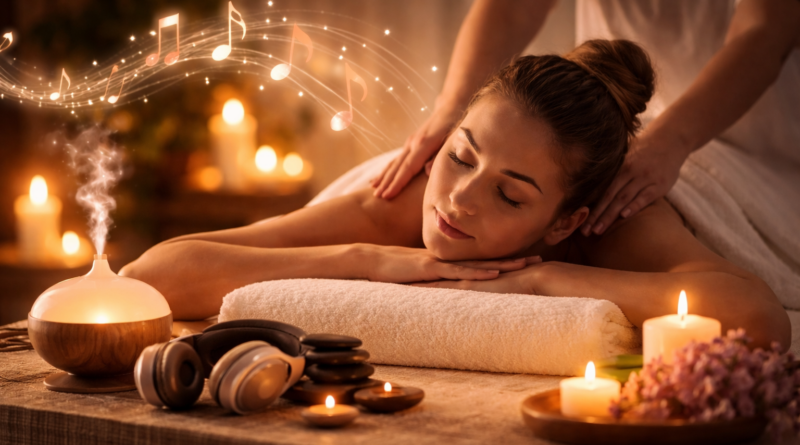
Massage is not only about hands, techniques, and anatomy. The overall experience is deeply influenced by the environment the client enters – and sound and music play a powerful, often underestimated role. When used consciously, sound can enhance the quality of the massage, support deep relaxation, and create a more holistic treatment experience.
Why Sound and Music Matter in Massage
The human nervous system responds continuously to sound. Music, rhythm, and frequency influence heart rate, breathing, muscle tension, and stress levels. When massage is combined with carefully selected sound, the body can shift more easily from a state of “fight or flight” (the sympathetic nervous system) into rest, recovery, and healing (the parasympathetic nervous system).
In short: the right sound helps the client let go – faster and more deeply.
Benefits of Using Sound and Music During Massage
1. Deeper Relaxation
Slow-tempo music or natural soundscapes can lower heart rate and blood pressure. This allows muscles to release tension more easily and enables the therapist to work effectively without excessive pressure.
2. Reduced Mental Noise
Many clients struggle to quiet the mind. Gentle background music can act as an anchor, reducing mental chatter and helping the client stay present in the body.
3. Support for Breathing
Music with slow, steady rhythms naturally encourages deeper, more rhythmic breathing, which significantly enhances the effects of massage.
4. A Sense of Safety and Containment
Sound helps mask external noise such as traffic, voices, or doors, creating a treatment space that feels calm, private, and professional.
5. Better Flow for the Therapist
Music supports the therapist’s own rhythm, pacing, and presence. Many practitioners find their movements become more fluid and intuitive when working with suitable music.
Examples of Sound and Music in Massage
Nature Sounds
– Rain, ocean waves, forest ambience, wind
Ideal for stress-related conditions and deep relaxation massage. Nature sounds help clients mentally “step away” from daily life.
Ambient and Instrumental Music
– Soft tones, slow melodies, minimal variation
Well suited for wellness massage, hot stone therapy, and aromatherapy.
Tibetan Bowls and Sound Healing Elements
– Often used alongside energy work or mindful massage
These sounds can promote a sense of inner balance, grounding, and whole-body awareness.
Low-Frequency Music and Soundscapes
– Drones or slow vibrational tones
Sometimes used to support deep muscular release and increased body awareness.
Important Considerations
- Sound should never dominate the session – it should support, not distract
- Avoid lyrics and familiar songs that may activate thoughts or memories
- Keep the volume low and soothing
- When in doubt, ask the client – some prefer silence
Conclusion
Massage is more than technique – it is a sensory experience. When sound and music are used intentionally, they can significantly enhance both the quality of the massage and the client’s overall experience. The right sound fosters calm, presence, and depth, allowing the body to do what it does best: release tension and restore balance.
Touch heals – and in harmony with sound, it can reach even deeper. 🎶🤲
For a long time I was looking to find Theme music that would be suitable for a World Championship in Massage. Here you can enjoy the “Viking Theme” the International Massage Association ended up with and which became a huge success.
Did you like the article? Or did you like taking part of the World Championship in Massage or one of our classes, then please feel free to give us a nice review on Google.