Dry Massage Techniques – Benefits, Limitations, and When They Make Sense
Massage without oil — often referred to as “dry massage” or “dry techniques” — is far from new. The approach is widely used across both Western and Eastern traditions, from myofascial release and sports massage to shiatsu and trigger-point therapy. But what are the real advantages? When does it work well — and when does it not?
Below is a detailed, practitioner-friendly overview covering physiology, practical application, and client considerations.
What Characterizes Dry Massage?
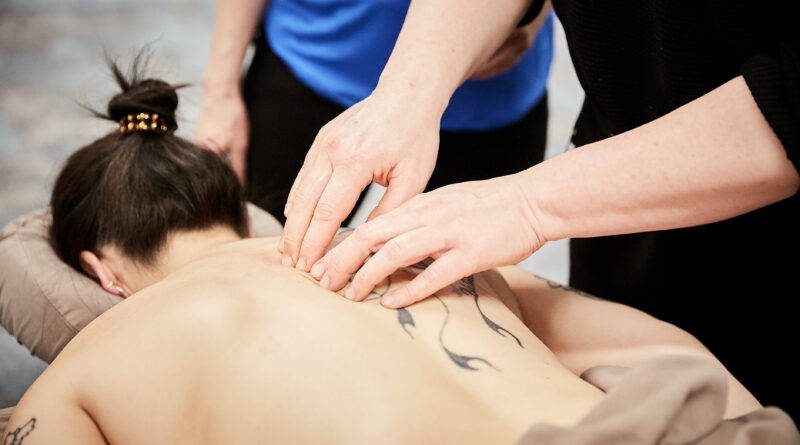
Dry massage is performed without oil, lotion, or glide products. The lack of lubrication increases friction between the hands and the skin, which shifts the technique toward more controlled, deliberate, and precise movements.
It can be performed:
– Directly on the skin
– Over clothing
– Through a towel or sheet
– Or with minimal moisture/heat if a slight reduction in friction is desired
Benefits of Dry Massage
1. Better Contact With Fascia and Connective Tissue
Many therapists find that dry techniques offer a more direct connection to the superficial fascia. Without oil, the hands can:
– “Anchor” into the tissue
– Create stretch and directional load
– Perform slow, sustained myofascial release
– Detect restrictions and adhesions more clearly
Is Dry Massage More Effective for Fascia?
In many cases, yes. Fascial techniques require friction and tissue engagement — both of which are reduced when oil is present. If the goal is myofascial release, tissue lifting, fascial glide, or precise stretch, dry techniques are typically the superior choice.
2. Improved Precision and Control
Without slip, it becomes easier to grab, isolate, and work into specific structures. Dry massage works especially well for:
– Trigger points
– Small or narrow muscle groups
– Areas with little soft tissue (e.g., around joints, hands, and feet)
3. Often Calming for the Nervous System
Although it may sound counterintuitive, dry work can actually be *less* sensory-intense. Fewer long, sweeping strokes can create a calmer, more grounded sensory input, which some clients find deeply relaxing.
4. Practical and Flexible
Dry massage requires almost no setup and can be performed:
– During a training session
– In a clinical setting, on a table or chair
– Without the client undressing
This makes it ideal for sports environments, workplace massage, or quick targeted treatments.
Limitations of Dry Massage
1. Risk of Skin Irritation
Increased friction can lead to:
– Redness
– Surface irritation
– Discomfort in sensitive or dry skin
Clients with eczema, psoriasis, or very delicate skin may tolerate dry work poorly.
2. Limited Ability to Perform Classic Gliding Strokes
Effleurage and long, fluid strokes rely on glide. Without lubrication, these techniques can feel choppy or uncomfortable.
3. Requires More Skill and Technical Control
Dry work exposes poor technique quickly. It demands:
– Controlled pressure
– Excellent body mechanics
– Slower, more deliberate pacing
Otherwise, it becomes tiring for the therapist and uncomfortable for the client.
4. Not Every Client Enjoys the Sensation
Some people strongly associate massage with warm oil and broad, relaxing strokes. For these clients, dry massage may feel:
– Too intense
– Too “grabby”
– Less luxurious or soothing
Should Dry Massage Be Performed on Bare Skin or Over Clothing?
Both are valid — each option simply changes what techniques are possible.
Dry Massage on Bare Skin
Advantages:
– Best tissue contact
– Most precise palpation
– Ideal for fascial techniques
Drawbacks:
– High friction means higher risk of irritation
– Some clients dislike the sensation
– Hair can catch and cause discomfort
Dry Massage Over Clothing
Advantages:
– More comfortable for many clients
– Great for workplace massage, sports settings, or quick sessions
– Works well for shiatsu, trigger points, and compressions
Drawbacks:
– Reduced ability to grip skin and fascia
– Less precise palpation
– Some techniques lose effectiveness
When to Choose Dry Massage Over Oil
1. Fascial Work
Myofascial release, skin-rolling, fascial stretching, and directional load techniques all perform better without lubrication.
2. Sports and Acute Muscle Work
Ideal when the client is warm, sweaty, or needs quick intervention.
3. When Combining Manual Therapy With Movement
Dry work makes it easier to integrate stretching and active engagement.
4. When the Client Prefers to Stay Dressed
Perfect for corporate massage, event work, and short treatments.
5. For Precise Trigger-Point Therapy
Less glide means better focus and accuracy.
Conclusion
Dry massage is not a replacement for oil massage — it’s an additional tool that broadens what you can do. Used in the right context, dry techniques offer:
Strengths:
– Excellent fascial contact
– High precision and control
– Flexible and practical
– Compatible with clothed sessions
Limitations:
– Higher friction and potential for irritation
– Fewer gliding strokes
– Requires technical skill
A skilled therapist moves seamlessly between dry and oil-based techniques depending on the goal, the tissue, and the client’s preferences. The real strength lies in having both options available — and knowing when each approach shines.
- Article written by IMA Founder Jeppe Tengbjerg
Did you like the article? Or did you like taking part of the World Championship in Massage or one of our classes, then please feel free to give us a nice review on Google.

Please follow the IMA Social Medias and find ongoing Inspiration: Facebook, Instagram, Youtube, TikTok, Telegram Channel, Whatsapp Channel, Threads, X, Linkedin
At the International Massage Association we are ongoing try to elevate the Massage Profession via our many Articles, Podcasts, Masterclasses and via the Educational Conference at the World Championship in Massage.