
Massage Therapists Should Understand the Lymphatic System
- And the Techniques That Help Support It
The lymphatic system is one of the most overlooked systems in the human body, yet it plays a crucial role in maintaining health, immunity, and overall tissue balance. For massage therapists, understanding how the lymphatic system works—and how manual techniques can support it—is essential for providing safe, effective, and holistic treatment.
What Is the Lymphatic System?
The lymphatic system is a network of vessels, nodes, and organs responsible for transporting lymph—a clear fluid containing immune cells, waste products, and excess fluid—back into the bloodstream. It serves three primary functions:
1. Immune defense: Lymph nodes filter harmful substances and help the body fight infections.
2. Fluid balance: The system collects and returns excess interstitial fluid to the bloodstream, preventing swelling.
3. Waste removal: It transports metabolic waste, cellular debris, and toxins out of tissues.
Because the lymphatic system does not have its own pump like the heart, it relies heavily on external forces—breathing, muscle contractions, and manual pressure—to move lymph efficiently.
Why Massage Therapists Should Learn About the Lymphatic System
1. It Enhances Clinical Effectiveness
Understanding lymphatic pathways and drainage zones allows therapists to work more strategically with swelling, inflammation, and tissue congestion. Even general massage affects lymph flow—so understanding the physiology ensures the therapist can use this effect therapeutically rather than accidentally causing discomfort or stagnation.
2. It Improves Safety
Without proper knowledge, therapists may unknowingly work against the lymph flow or apply techniques that worsen swelling or compromise a client’s condition. Certain medical issues—such as active infections, cardiac problems, or untreated cancer—require specific caution. Knowledge protects both therapist and client.
3. It Expands Treatment Options
Lymph-supportive techniques open doors to new client populations, including:
– Post-surgery clients
– Clients with chronic swelling or fatigue
– Athletes with tissue congestion
– Clients seeking detoxification, stress relief, or immune support
This expertise increases a therapist’s professional value and broadens their therapeutic scope.
4. It Supports Whole-Body Wellness
The lymphatic system is deeply connected to immune health, inflammation, and the autonomic nervous system. Techniques that stimulate lymph flow often promote relaxation and vagus nerve activation—key components of restorative massage.
Massage Methods That Support the Lymphatic System
1. Manual Lymphatic Drainage (MLD)
The most recognized lymph-focused technique, MLD uses slow, rhythmic, and very light strokes that follow the natural lymph pathways. These techniques stretch the skin in specific directions to stimulate lymph capillaries and increase lymphatic uptake.
Why it works:
– Lymph capillaries respond to gentle mechanical stretch
– Light pressure prevents collapsing the superficial lymph vessels
– Rhythmic work encourages a pumping effect
2. Skin Stretch Techniques
Gentle skin stretching without deep pressure encourages superficial lymph vessels to open and absorb fluid. This is particularly effective in areas with swelling, scar tissue, or chronic inflammation.
3. Rhythmic Pumping and Joint Mobilization
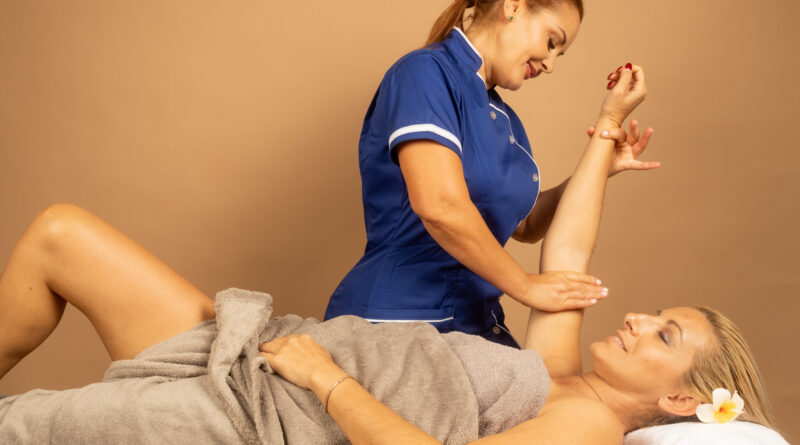
Mobilizing joints through slow, rhythmic movements creates natural pressure differences that stimulate lymph flow through nearby nodes and vessels.
Why:
Joints act as mechanical pumps—mobilization increases fluid movement and supports drainage.
4. Deep Breathing Integration
Although not a “massage stroke,” encouraging deep diaphragmatic breathing during sessions can dramatically improve lymph flow.
Why:
The thoracic duct—the body’s largest lymph vessel—relies on pressure changes from the diaphragm. Deep breathing acts as a powerful internal pump.
5. Light Effleurage and Long, Directional Strokes
Performed with minimal pressure, these strokes help guide lymph toward major drainage points such as the inguinal, axillary, and cervical nodes.
6. Myofascial Techniques
Certain gentle myofascial release methods can reduce fascial restrictions that impede lymph movement, particularly around scars, adhesions, or chronic tension points.
Why These Techniques Work: Key Principles
- The lymph system is close to the surface.
Deep pressure collapses lymph vessels; gentle work stimulates them.
- Lymph flows toward the heart via specific watersheds.
Techniques must follow anatomical drainage patterns to be effective.
- Movement matters.
Both passive and active movement dramatically enhance lymphatic return.
- Rhythm and repetition create a pumping effect.**
Conclusion
By learning how the lymphatic system functions and incorporating lymph-supportive massage techniques, massage therapists can elevate their practice, improve client outcomes, and work more safely and professionally. Whether working with athletes, individuals recovering from injury, or clients seeking a more balanced and healthy body, understanding the lymphatic system is an essential component of modern massage therapy.
In the below video we follow the World Massage Champion in the Body Shaping and Facial Massage, in Both categories the Massage Therapists Should have much knowledge of the Lymphatic System.
- Article by IMA and CEO of the International Massage Association Jeppe Tengbjerg
Did you like the article? Or did you like taking part of the World Championship in Massage or one of our classes, then please feel free to give us a nice review on Google.