
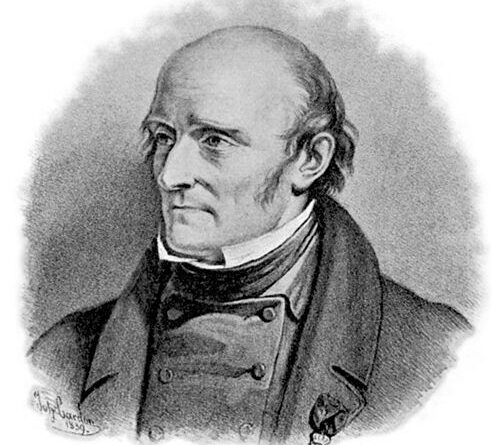
Per Henrik Ling – Swedish Massage Therapy
Here’s a curated historical illustration of Swedish massage—a classic treatment method originating in 19th-century Sweden. This image shows a therapist performing a traditional full‑body massage using long strokes and kneading techniques typical of the practice’s European evolution.
Title: Early Illustration of Swedish Massage Therapy
Origin: Sweden / Europe
Period: Late 19th to early 20th century
Medium: Engraving or illustrative print
Subject: Therapist applying therapeutic massage techniques to a seated client
Description
This vintage illustration displays a seated receiving client while a trained practitioner applies structured massage techniques—likely part of Ling’s system. The visual emphasizes deliberate, controlled movements rather than modern spa settings. It’s representative of the early formalization of massage as a physical therapeutic method.
Historical Background
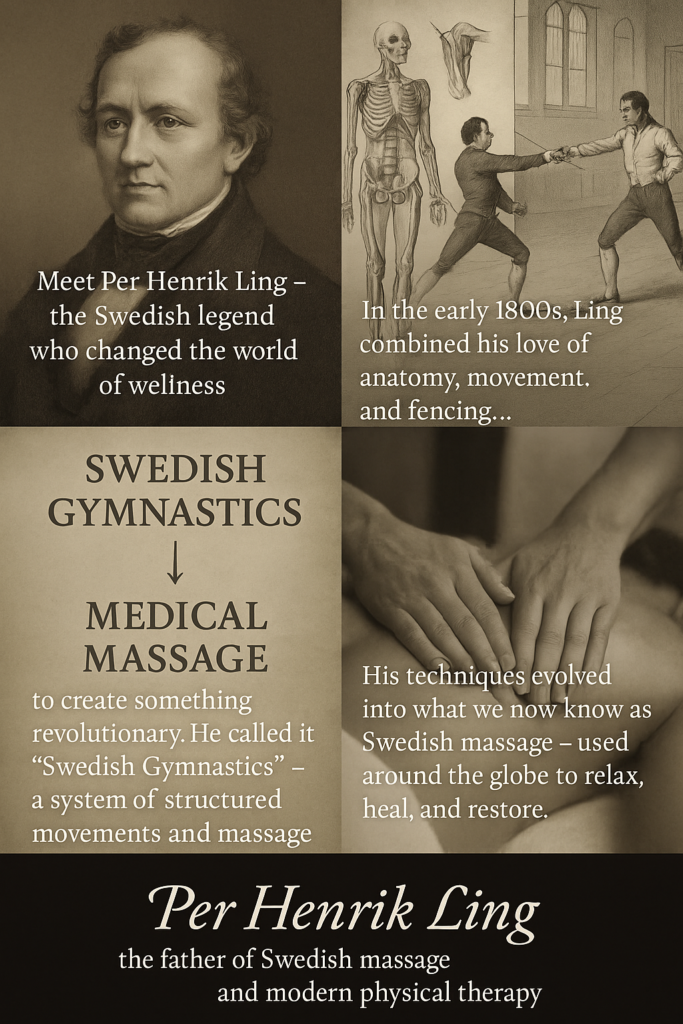
Swedish massage emerged in the early 19th century under Per Henrik Ling, a Swedish physiologist and physical educator, who combined medical gymnastics with massage in what he called the “Swedish Movement Cure” . Ling’s methodology was later refined and standardized by Johann Georg Mezger, a Dutch physician, who coined the French terminology still used today—effleurage, petrissage, friction, tapotement, and vibration.
By the late 19th century, the technique spread internationally. It was introduced to the United States by practitioners like the Taylor brothers and Hartvig Nissen, who established massage schools and popularized Swedish massage in America .
Swedish Massage Techniques
Swedish massage is known for its signature five stroke techniques:
- Effleurage – smooth, gliding strokes across the skin to warm up muscles and stimulate circulation
- Petrissage – kneading, squeezing, and rolling motions to release muscle tension and improve fluid flow
- Friction – deeper circular movements aimed at breaking down adhesions and increasing mobility
- Tapotement – rhythmic tapping or percussion to invigorate muscles and boost circulation
- Vibration/Shaking – oscillatory movements to relax and ease tight areas
These strokes are applied in sequence to promote relaxation, reduce stress, and improve overall well‑being .
Cultural Significance
Swedish massage quickly became the foundational modality in Western massage therapy. Initially integrated into medical and athletic rehabilitation, by the early 20th century it was widely taught in American massage schools and offered as both wellness and therapeutic care . Its accessibility and effectiveness established it as the most common starting point for massage clients and practitioners alike.
Massage in Practice
- Purpose: Stress relief, muscle tension reduction, enhanced circulation, and relaxation.
- Session Flow: Usually begins and ends with effleurage to warm the tissues, progressing through deeper techniques to meet client needs.
- Pressure Variation: Adaptable from light to firm, tailored to client preference and health goals.
Museum Note
This illustration symbolizes the origins of a treatment still widely practiced today. Swedish massage stands at the intersection of physical therapy, wellness, and cultural heritage—its structured strokes echo the scientific ambition of its founders and the holistic care traditions it inspired.
Learn more about Swedish Massage here
Please follow the IMA Social Medias and find ongoing Inspiration: Facebook, Instagram, Youtube, TikTok, Telegram Channel, Whatsapp Channel, Threads, X, Linkedin
At the International Massage Association we are ongoing try to elevate the Massage Profession via our many Articles, Podcasts, Masterclasses and via the Educational Conference at the World Championship in Massage.



Do you like our Massage Museum? Or did you like taking part of the World Championship in Massage or one of our classes, then please feel free to give us a nice review on Google.