
What is Turkish Hammam Massage?
- Article by IMA Founder Jeppe Tengbjerg
The History, Benefits, Global Reach, and Modern Integrations of Hammam Massage.
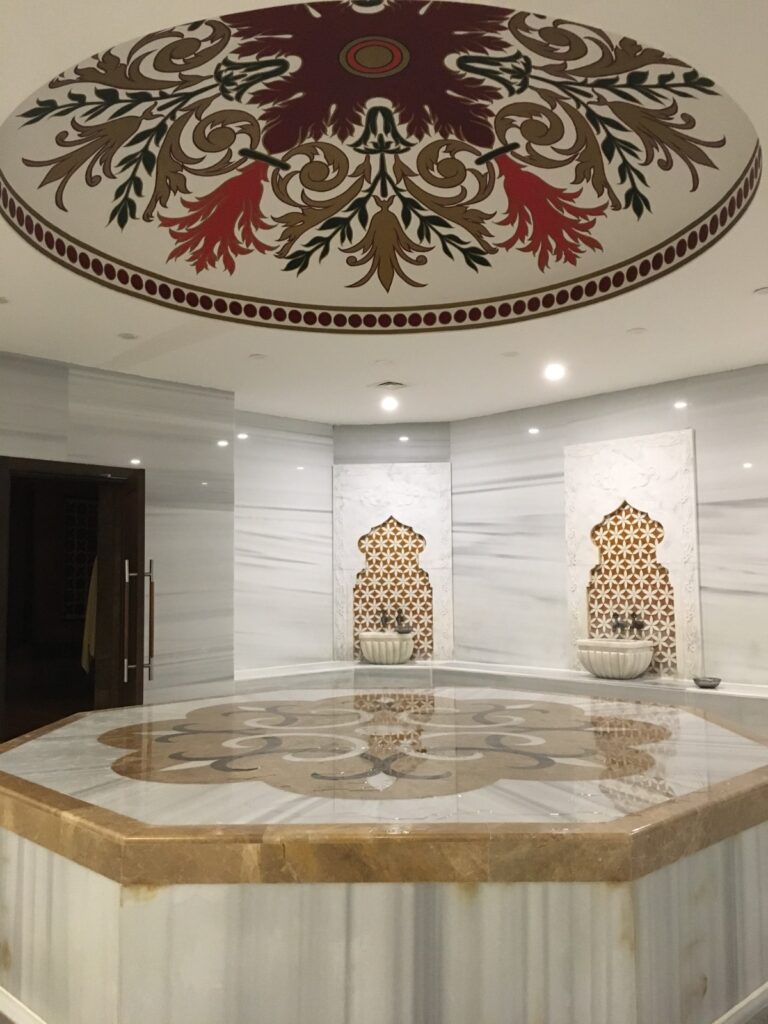
The Hammam massage, often referred to as Turkish bath massage, is a centuries-old wellness ritual rooted in communal bathing traditions. More than a massage technique, the Hammam experience is a holistic cleansing and rejuvenation ceremony that combines heat, water, manual exfoliation, and massage. Today, Hammam massage is practiced worldwide, appreciated both for its cultural heritage and its powerful physical and mental benefits.
Historical Background and Origins
The origins of the Hammam can be traced back to the Roman and Byzantine bathhouses, which emphasized public bathing as a cornerstone of hygiene, social interaction, and health. When the Ottoman Empire rose to prominence, these traditions were adopted, refined, and infused with Islamic principles of cleanliness and ritual purification.
From the 14th century onward, Hammams became central to daily life in the Ottoman world. They were not only places for washing but also important social spaces where people gathered before weddings, religious events, or significant life transitions. Architecturally, Hammams were designed to guide bathers through progressively warmer rooms, preparing the body for deep cleansing and relaxation.
Within this environment, the Hammam massage developed as a vigorous and purposeful treatment aimed at purifying the body, improving circulation, and restoring balance. The attendant, traditionally known as a tellak (male) or natir (female), performed the treatment using skilled manual techniques passed down through generations.

The Hammam Massage Experience
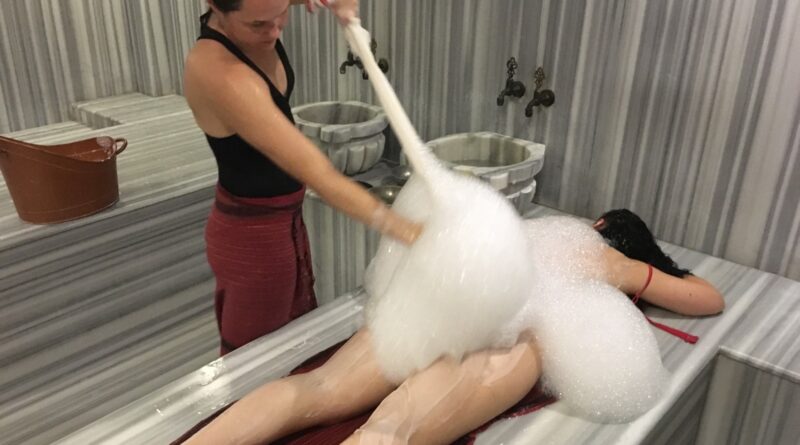
A traditional Hammam massage begins with prolonged exposure to moist heat. This heat softens the skin, relaxes the muscles, and opens the pores, preparing the body for exfoliation. The therapist then uses a coarse mitt, known as a kese, to remove dead skin cells through firm, rhythmic scrubbing.
Following exfoliation, the body is enveloped in rich soap foam, traditionally made from olive oil. The massage itself is typically more dynamic than many Western massage styles, involving stretching, kneading, compression, and rhythmic movements. The experience concludes with rinsing and a period of rest, allowing the nervous system to settle and the body to absorb the benefits.
Physical and Mental Benefits
The Hammam massage offers a wide range of benefits, both physiological and psychological:
- Deep cleansing of the skin: Exfoliation removes dead skin cells, improves skin texture, and supports natural regeneration.
- Improved circulation: Heat and manual techniques stimulate blood flow and lymphatic drainage.
- Muscle relaxation: The warm environment and massage movements help relieve muscle tension and stiffness.
- Detoxification: Sweating and exfoliation support the body’s natural detox processes.
- Respiratory support: Warm, humid air can ease breathing and support respiratory comfort.
- Mental relaxation: The ritualistic nature of the Hammam calms the mind, reduces stress, and promotes a sense of renewal.
Unlike purely therapeutic massages that target specific injuries or conditions, the Hammam massage addresses the body as a whole, emphasizing restoration, balance, and well-being.
While deeply associated with Türkiye, the Middle East, and North Africa, the Hammam massage has gained global recognition over the past few decades. Luxury spas, wellness resorts, and urban bathhouses across Europe, Asia, and North America now offer Hammam-inspired treatments.
Global Spread and Modern Popularity
In many countries, the traditional communal aspect has been adapted to private treatment rooms to align with modern spa culture and privacy expectations. Despite these adaptations, the core elements—heat, exfoliation, soap massage, and relaxation—remain intact.
The growing global interest in ritual-based wellness, cultural authenticity, and holistic self-care has significantly contributed to the Hammam massage’s international appeal.
Combining Hammam Massage with Other Modalities
One of the strengths of the Hammam massage is its versatility. It can be effectively combined with other massage and bodywork methods to enhance results:
- Swedish massage: After the Hammam ritual, Swedish techniques can be used to deepen relaxation and support recovery.
- Deep tissue massage: Once the muscles are thoroughly warmed, deeper work can be performed more effectively and comfortably.
- Aromatherapy: Essential oils can be incorporated during post-Hammam massage to influence mood and support specific wellness goals.
- Lymphatic drainage: The cleansing nature of the Hammam pairs well with gentle lymphatic techniques to support detoxification.
- Body treatments: Wraps, scrubs, or mud treatments are often added after Hammam sessions in modern spa settings.
For massage therapists and spa professionals, the Hammam offers a powerful foundation upon which other techniques can be layered, creating a comprehensive and memorable wellness experience.
Hammam Massage in Contemporary Wellness
In today’s fast-paced world, the Hammam massage stands as a reminder of slower, more intentional approaches to self-care. It emphasizes preparation, ritual, and integration—elements sometimes lost in modern treatments focused solely on efficiency.
Whether experienced in a historic bathhouse or a contemporary spa, the Hammam massage continues to serve the same essential purpose it has for centuries: cleansing the body, calming the mind, and reconnecting individuals with a deeply rooted tradition of holistic well-being.
As interest in cultural wellness practices grows, the Hammam massage remains not only relevant but increasingly valued as a bridge between ancient wisdom and modern therapeutic practice.
Did you like the article? Or did you like taking part of the World Championship in Massage or one of our classes, then please feel free to give us a nice review on Google.

Please follow the IMA Social Medias and read more articles and watch amazing videos: Facebook, Instagram, Youtube, TikTok, Telegram Channel, Whatsapp Channel, Threads, X, Linkedin