
Balinese Massage and the Indonesian Massage Tradition
- Written by IMA Founder Jeppe Tengbjerg
A Living Heritage and a Modern Professional Passion
This article is written in response to an interesting and revealing insight from the International Massage Association (IMA). While reviewing analytics from IMA’s extensive library of massage-related YouTube videos, it became clear that 54% of all views originated from Indonesia. Even more notably, these views were primarily from Indonesian massage therapists and students, suggesting a strong professional interest in massage education, techniques, and international standards.
This level of engagement highlights Indonesia not only as a country with deep traditional massage roots, but also as a region where massage continues to evolve as a respected and widely practiced profession.
The Historical Roots of Balinese Massage
Balinese massage originates from the Indonesian island of Bali, but its foundations reflect the broader cultural and historical exchanges of Southeast Asia. Over centuries, Indonesian healing traditions were influenced by Ayurvedic medicine from India, Traditional Chinese Medicine, and indigenous Indonesian healing practices.
Massage in Bali was historically used as a holistic healing practice, performed by village healers (often referred to as balian). These healers worked with the belief that physical discomfort, emotional imbalance, and spiritual disharmony were closely connected. Massage was therefore not merely a physical treatment, but part of a wider system of well-being that included herbal remedies, energy work, ritual, and prayer.
The Philosophy Behind Balinese Massage
At its core, Balinese massage is based on the idea that energy (often referred to as “prana” or life force) flows through the body. When this flow is blocked, discomfort, stress, or illness may arise. The massage aims to restore balance by:
- Improving circulation of blood and energy
- Releasing muscular tension
- Calming the nervous system
- Supporting emotional and mental relaxation
Unlike many Western massage systems that focus primarily on anatomy and biomechanics, Balinese massage traditionally embraces a mind–body–spirit approach, where intention, rhythm, and presence play a significant role in the treatment.
Techniques Used in Balinese Massage
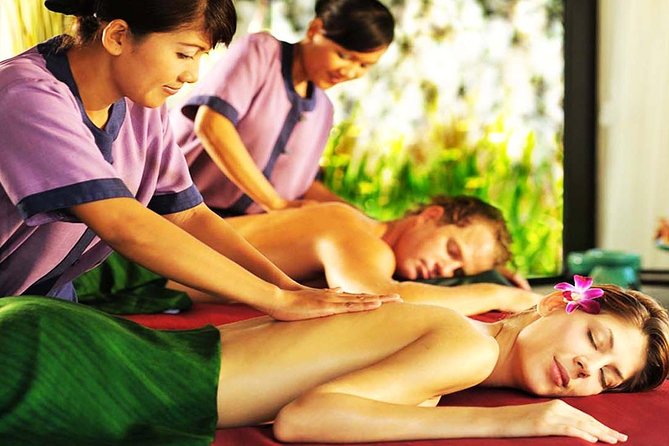
Balinese massage is typically a full-body oil massage, combining several techniques into a flowing and rhythmic treatment. Common elements include:
- Long, gliding strokes to relax muscles and improve circulation
- Deep thumb and palm pressure, often applied along muscles and energy lines
- Skin rolling and kneading to stimulate tissues
- Gentle stretching and joint mobilization
- Aromatic oils, often infused with local herbs or flowers
The pressure can range from gentle to firm, depending on the therapist’s style and the client’s needs. Treatments often aim to be both deeply relaxing and physically effective.
Benefits of Balinese Massage
Balinese massage offers a wide range of benefits, both physical and mental:
- Reduces muscular tension and stiffness
- Improves blood circulation and lymphatic flow
- Supports stress reduction and deep relaxation
- May improve sleep quality
- Encourages a sense of emotional balance and calm
- Enhances body awareness
Because it blends relaxation with therapeutic pressure, Balinese massage is often appreciated by clients who want both wellness and bodywork in the same session.
Limitations and Considerations
While Balinese massage has many advantages, it is not without limitations:
- It may not be specific enough for acute injuries or complex orthopedic conditions
- The traditional approach may lack clinical assessment compared to modern therapeutic massage
- Quality and safety depend heavily on the therapist’s education and anatomical knowledge
In modern professional settings, Balinese massage is often combined with Western anatomy, pathology, and hygiene standards to ensure safe and effective practice.
Massage Education and Practice in Indonesia
Indonesia has a rich and diverse massage culture, far beyond Bali alone. Across the country, massage is commonly practiced in:
- Wellness and spa environments
- Hotels and resorts
- Community health settings
- Informal family and local traditions
In recent years, there has been a growing interest among Indonesian therapists in formal education, international certification, and modern techniques. This is clearly reflected in IMA’s online engagement, where Indonesian practitioners actively seek:
- Technique demonstrations
- Professional standards
- Competition and championship footage
- Educational content from international instructors
The strong YouTube viewership suggests that Indonesian massage therapists are not only proud of their traditions, but also eager to learn, evolve, and connect with the global massage community.
Tradition Meets the Future
Balinese massage represents a beautiful example of how ancient traditions remain relevant in modern practice. When combined with contemporary knowledge of anatomy, ethics, and client safety, it can be both culturally authentic and professionally strong.
The significant interest from Indonesia in international massage education is a reminder that massage is a global language—one that transcends borders, cultures, and techniques. It also highlights Indonesia as a country where massage is not just a service, but a deeply respected and continuously developing profession.
For organizations like IMA, this connection reinforces the importance of sharing knowledge, raising standards, and supporting massage therapists worldwide—especially in regions where passion for the craft is clearly alive and growing.
Did you like the article? Or did you like taking part of the World Championship in Massage or one of our classes, then please feel free to give us a nice review on Google.

Please follow the IMA Social Medias and read more articles and watch amazing videos: Facebook, Instagram, Youtube, TikTok, Telegram Channel, Whatsapp Channel, Threads, X, Linkedin