Per Henrik Ling and The Swedish Movement
– The Foundation of Modern Massage, Rehabilitation, and Professional Education
- Article By IMA Founder Jeppe Tengbjerg
Introduction
Few individuals have influenced the development of modern manual therapy as profoundly as Per Henrik Ling (1776–1839). While many know him as the “Father of Swedish Massage,” his true contribution was much broader. Ling developed a comprehensive healthcare philosophy in which anatomy, physiology, movement, therapeutic exercise, and manual treatment worked together to restore health and improve physical function.
His system became known internationally as The Swedish Movement or The Swedish Movement Cure, laying the foundation for modern physiotherapy, rehabilitation, physical education, and many aspects of today’s massage profession. (Wikipedia)
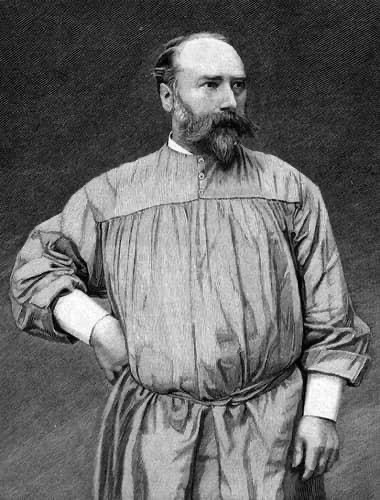
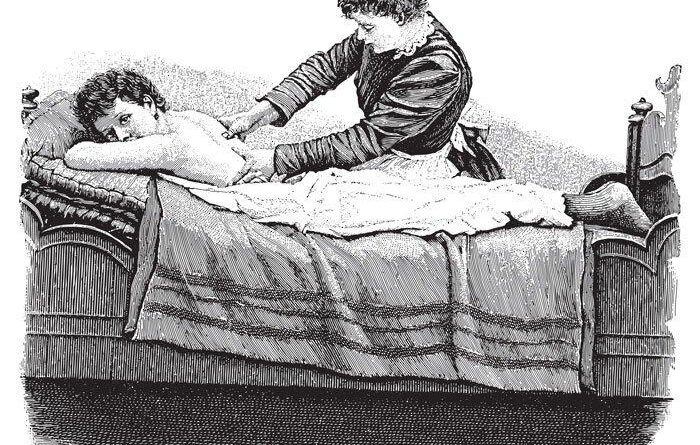
Figure 1. Per Henrik Ling, the Royal Central Institute of Gymnastics (GCI), and examples of nineteenth-century Swedish medical gymnastics.
Who Was Per Henrik Ling?
Born in Sweden in 1776, Ling was not originally a physician. He was a linguist, poet, educator, fencing master, and passionate student of human movement.
While living in Copenhagen and later teaching fencing in Lund, he became fascinated by how carefully designed exercises could restore health and improve physical performance. His studies of anatomy and physiology convinced him that movement should become an essential part of healthcare rather than merely military training or athletic preparation.
In 1813, he founded the Royal Central Institute of Gymnastics (GCI) in Stockholm, the world’s first institution dedicated to systematic education in medical gymnastics and therapeutic movement. (HSB.se)
The Philosophy Behind the Swedish Movement
Ling believed every movement should have:
- an anatomical purpose,
- a physiological effect,
- a therapeutic objective.
Rather than treating isolated symptoms, he viewed the human body as an integrated system in which muscles, joints, circulation, respiration, and the nervous system continuously influenced one another.
This systems-based philosophy remains remarkably similar to today’s concepts of functional rehabilitation and patient-centered care.
The Four Branches of Ling’s System
Ling divided his work into four complementary disciplines:
Educational Gymnastics
- Physical education
- Posture
- Coordination
- Lifelong health
Military Gymnastics
- Strength
- Endurance
- Agility
- Discipline
Medical Gymnastics
- Rehabilitation
- Corrective exercises
- Manual therapy
- Functional recovery
Aesthetic Gymnastics
- Graceful movement
- Balance
- Body awareness
- Harmony
These four pillars demonstrate that Ling never intended massage to stand alone. Instead, manual therapy formed part of a broader rehabilitation system.
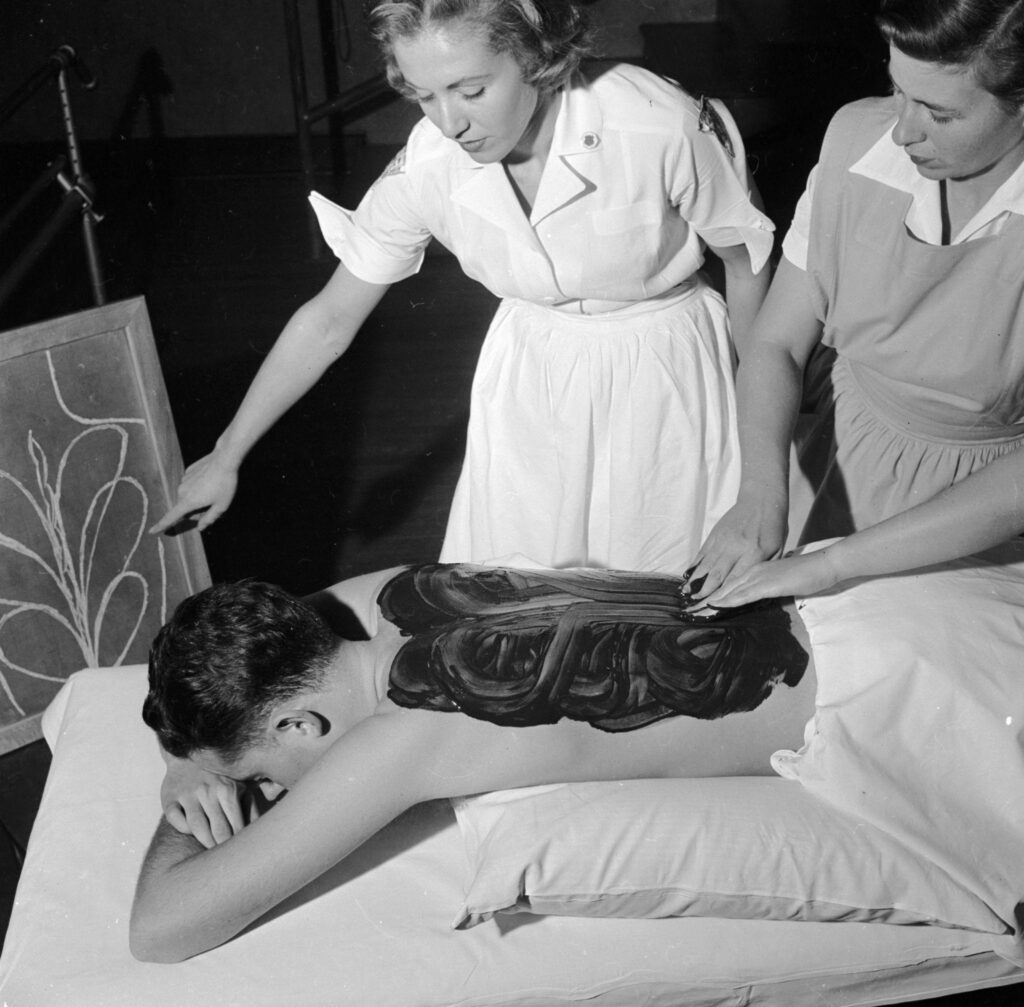
Massage Was Only One Component
A common misconception is that Ling invented today’s Swedish Massage.
Historical evidence suggests something more nuanced.
Ling incorporated numerous passive manual techniques into his medical gymnastics, but the standardized massage techniques known today—effleurage, petrissage, friction, tapotement, and vibration—were formally named and popularized later by the Dutch physician Johann Georg Mezger (1838–1909). (Wikipedia)
This distinction is important.
Ling created the philosophy.
Mezger standardized much of the massage terminology.
Together, they shaped what eventually became known internationally as Swedish Massage.
Historical Timeline
| Year | Event |
| 1776 | Birth of Per Henrik Ling |
| 1799–1804 | Studies in Copenhagen |
| 1805 | Becomes fencing master at Lund University |
| 1813 | Founds the Royal Central Institute of Gymnastics (GCI) |
| 1813 | Develops the Swedish Movement Cure |
| 1839 | Death of Ling |
| 1860s–1870s | Johann Georg Mezger standardizes massage terminology |
| Late 1800s | Swedish Massage spreads throughout Europe and North America |
| 1900s | Swedish medical gymnastics influences modern physiotherapy worldwide |
| 2000s | Evidence-based massage education expands internationally |
| Today | Ling’s principles continue to influence rehabilitation, massage education, sports medicine, and international massage competitions |
Ling’s Influence on Modern Massage Education
Today’s massage schools may use different curricula, but many still follow principles remarkably similar to Ling’s original philosophy.
Modern education emphasizes:
- Anatomy
- Physiology
- Pathology
- Biomechanics
- Clinical reasoning
- Functional assessment
- Professional ethics
- Evidence-informed practice
This reflects Ling’s belief that therapists should understand why a treatment works—not simply memorize techniques.
The world’s leading massage educators increasingly encourage therapists to think critically rather than mechanically.
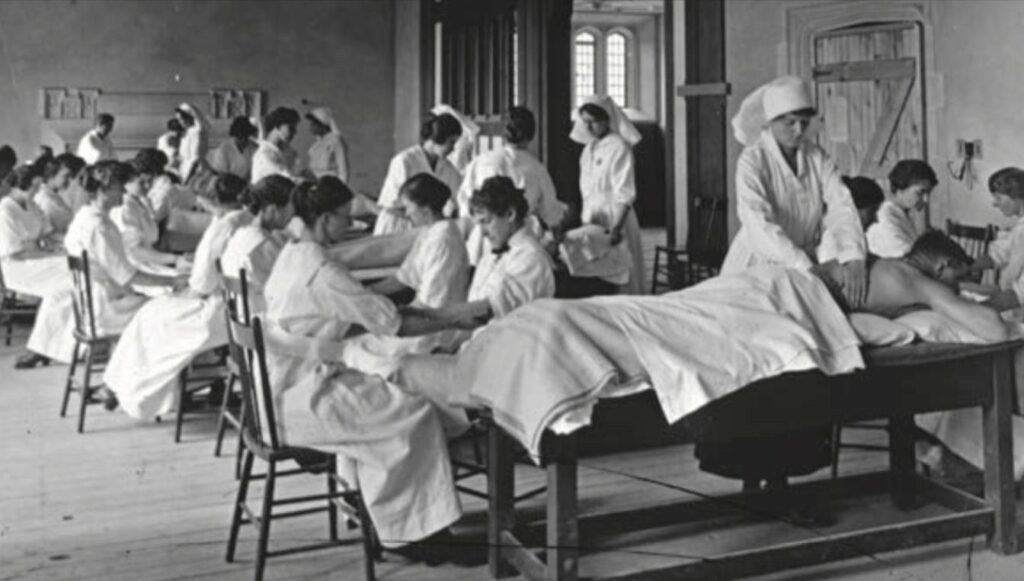
Influence on Physiotherapy and Rehabilitation
Many principles regarded today as modern rehabilitation originated within Ling’s movement philosophy.
Examples include:
- Functional movement assessment
- Progressive exercise therapy
- Individualized treatment plans
- Combining exercise with manual therapy
- Restoring movement rather than merely reducing symptoms
Modern physiotherapists may use different scientific terminology, yet many of the underlying concepts remain recognizably “Lingian.”
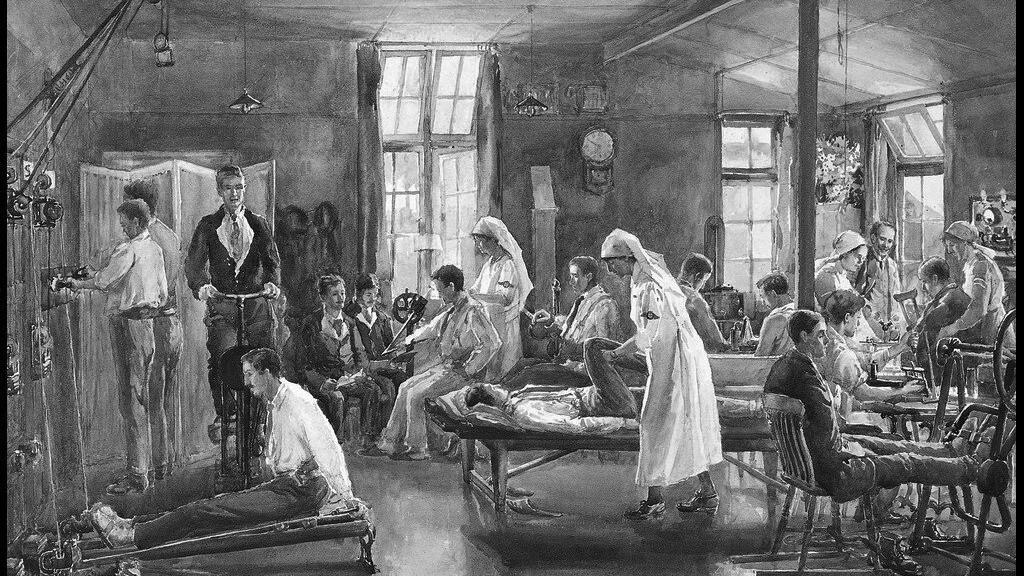
Ling’s Legacy in International Massage Competitions
Perhaps one of the most interesting modern developments is the rise of international massage championships.
In the early years, many competitions emphasized artistic choreography and flowing routines. Over time, however, judging standards have evolved toward greater professionalism.
Organizations such as the International Massage Association (IMA) promote judging criteria that reflect many of Ling’s original principles, including:
- Professional client assessment
- Anatomical understanding
- Physiological reasoning
- Treatment planning
- Clinical communication
- Ergonomics
- Adaptability
- Safety
- Professional ethics
- Evidence-informed decision making
Today’s highest-level competitions reward therapists who demonstrate not only excellent manual skills but also critical thinking, clinical reasoning, and professional judgment.
In this respect, modern massage championships are no longer simply competitions—they have become educational platforms that raise professional standards worldwide.
Continuing Ling’s Vision
Professional organizations continue expanding upon Ling’s original philosophy by promoting:
- Continuing education
- International certification
- Research literacy
- Scientific thinking
- Global collaboration
- Objective judging standards
- Lifelong professional development
These initiatives reflect Ling’s conviction that healthcare professionals should never stop learning.
Conclusion
Per Henrik Ling did far more than inspire Swedish Massage.
He transformed movement into medicine.
His vision united anatomy, physiology, therapeutic exercise, and manual therapy into one coherent healthcare philosophy.
Although massage has evolved considerably since the nineteenth century, Ling’s principles remain deeply embedded in contemporary physiotherapy, rehabilitation, massage education, sports medicine, and international massage competitions.
Nearly two centuries after his death, his greatest legacy is not a particular massage technique but the enduring belief that effective treatment should be guided by scientific understanding, careful observation, skilled hands, and a lifelong commitment to learning.
Please follow the IMA Social Medias and find ongoing Inspiration: Facebook, Instagram, Youtube, TikTok, Telegram Channel, Whatsapp Channel, Threads, X, Linkedin
At the International Massage Association we are ongoing try to elevate the Massage Profession via our many Articles, Podcasts, Masterclasses and via the Educational Conference at the World Championship in Massage.
Do you like our Massage Museum? Or did you like taking part of the World Championship in Massage or one of our classes, then please feel free to give us a nice review on Google.